
A successful digital marketing strategy helps businesses reach the right audience, increase online visibility, and achieve their marketing goals. With the right planning and approach, businesses can effectively use channels like SEO, social media, paid advertising, and content marketing to attract customers and grow online. This guide explains the simple steps to create a practical and effective digital marketing strategy.
Key Steps for a Successful Online Strategy

Step 1: Define Your Goals
Start by deciding what you want to achieve. Your goals could include increasing website traffic, generating leads, improving sales, or building brand awareness.
Make your goals specific and measurable so you can track progress.
Step 2: Identify Your Target Audience
Understand who your ideal customers are. Consider their age, location, interests, needs, challenges, and online behavior.
Knowing your audience helps you create relevant content and choose the right marketing platforms.
Step 3: Choose the Right Marketing Channels
Select channels based on your audience and objectives. Depending on your business, these may include:
- SEO for organic search visibility
- Social media marketing for engagement and brand awareness
- Google Ads for targeted search traffic
- Meta Ads for reaching specific audience segments
- Content marketing for educating and building trust
- Email marketing for nurturing existing leads and customers
You don’t need to use every channel. Focus on the ones that can deliver the most value.
Step 4: Create Valuable Content
Develop content that answers your audience’s questions and solves their problems. Blog posts, videos, social media posts, guides, and case studies can help attract and engage potential customers.
Make sure your content is useful rather than focusing only on promoting your products or services.
Step 5: Set a Budget and Schedule
Determine how much you can invest in paid advertising, content creation, SEO, and other activities. Create a realistic publishing and campaign schedule to maintain consistency.
Step 6: Track Your Performance
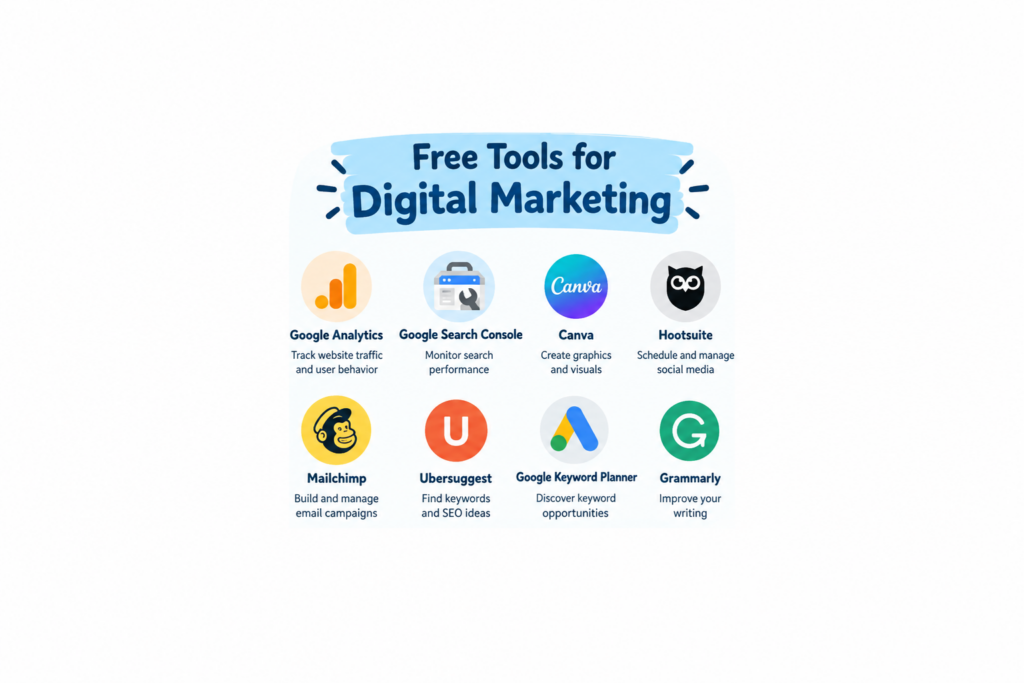
Use analytics tools to monitor key metrics such as website traffic, engagement, leads, conversions, and advertising performance.
Compare your results with your original goals to understand whether your strategy is working.
Step 7: Test and Improve
Digital marketing requires continuous improvement. Test different content, advertisements, keywords, and approaches to find what works best for your audience.
Use your performance data to adjust your strategy and improve results over time.
Conclusion
Creating a successful digital marketing strategy is a step-by-step process. Set clear goals, understand your audience, choose the right channels, create valuable content, track results, and continuously optimize your efforts. With a consistent and data-driven approach, businesses can build a stronger online presence and work toward sustainable growth.